The Culture of Living
Grace Around a Cup of Coffee
The finer points of spending time in a café: the volume of conversation, the measure of the music and the balance of service.
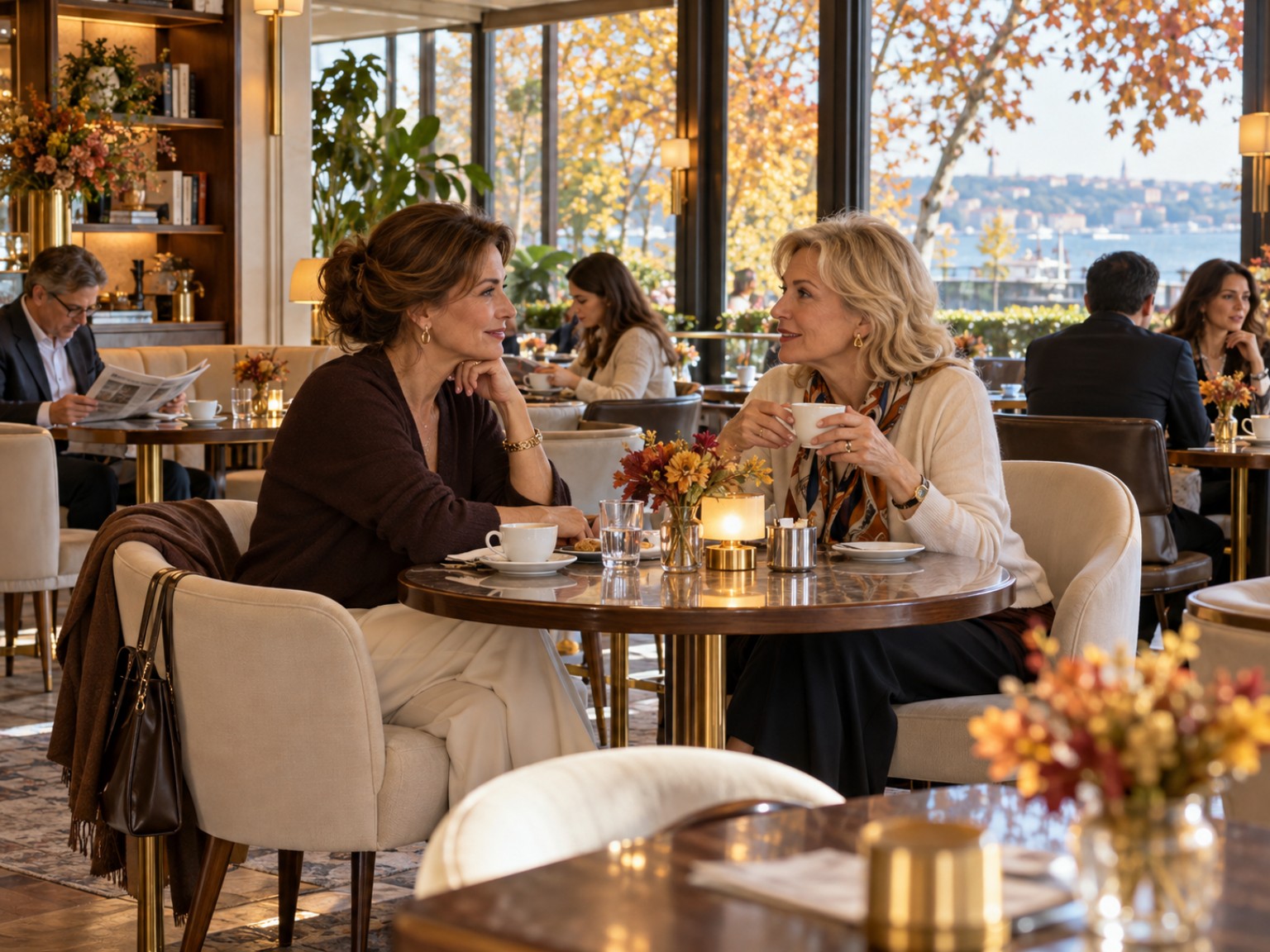
We go to a café sometimes to talk with a friend, sometimes to read our book, and sometimes to ease the weariness of the day with a cup of coffee. We sit in the same space with different expectations. What makes this shared space a pleasure is the care we take for one another’s peace.
Café etiquette covers far more than placing an order or how we hold our cup. How far our voice carries to other tables, our phone calls, the venue’s choice of music and the way its staff engage with us during service are all part of the experience.
Let our conversation stay at our own table
It is natural to grow animated, to laugh and to be merry in the middle of a good conversation. But talking loudly for long stretches, or drowning out the conversations around us with wave after wave of laughter, shrinks other people’s space to rest and to talk.
The measure is simple: the people at our table should be able to hear us easily; those at the next table should not be obliged to follow every detail of our conversation. If the people around us are starting to raise their voices because of ours, it may be time to speak a little more softly.
A story we are telling, a family matter or a business discussion should not, without our noticing, become the talk of the whole café. Protecting our own privacy is as graceful a gesture as showing respect to those around us.
The person on the other end of the line can hear us; the whole café doesn’t need to
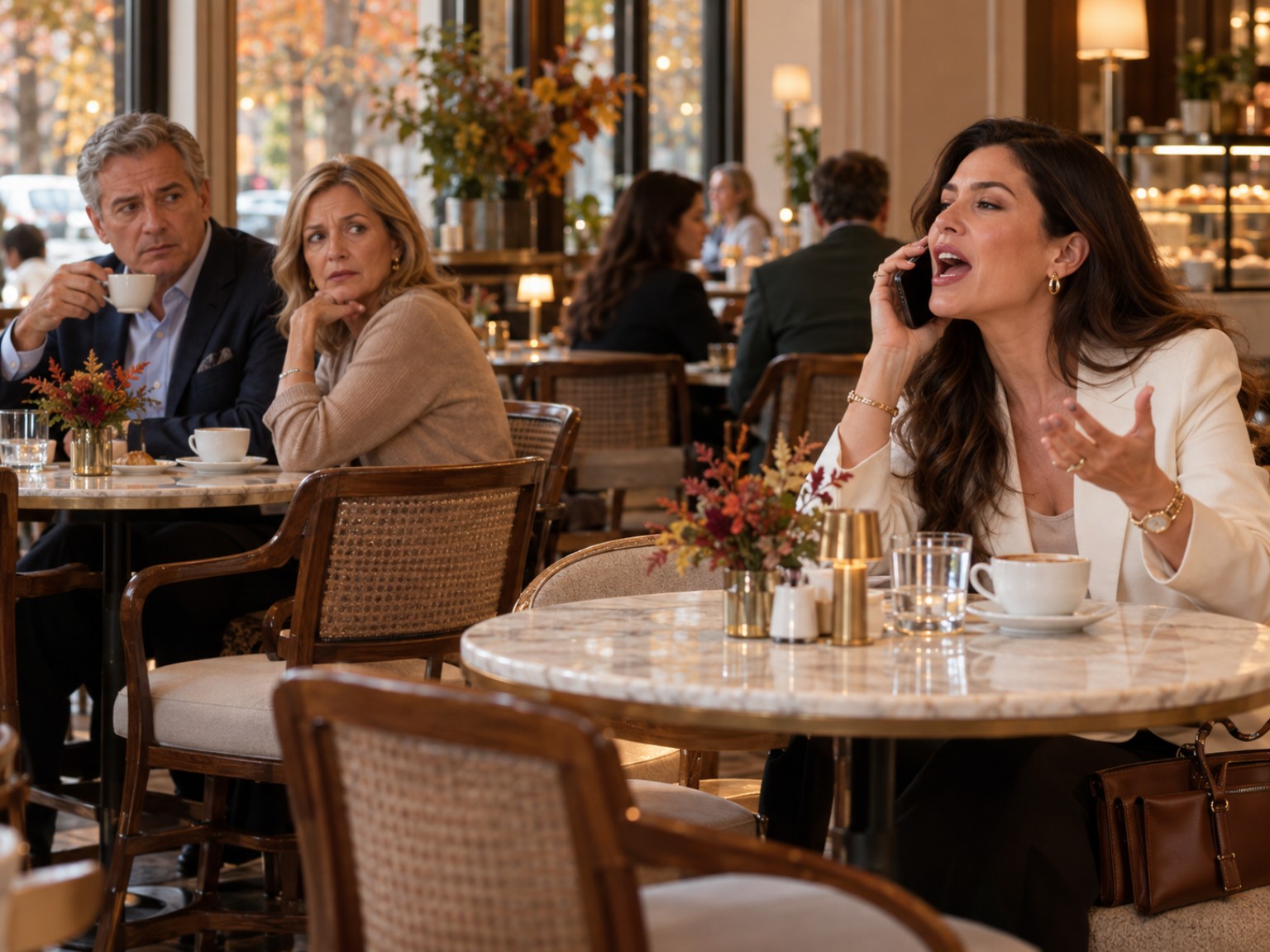
When the phone rings, it is usually possible to have a short conversation quietly. If the call is going to run long, turns into a disagreement or requires us to raise our voice, stepping somewhere more suitable is the more considerate choice.
Talking on speakerphone, playing voice messages aloud for everyone around, or watching videos with the sound up also disturb the peace of a shared space. Using headphones, turning down notification sounds and keeping calls brief are small but effective courtesies.
Let the music not overpower the conversation
A café’s music sets the character and atmosphere of the place. But if the volume means two people sitting across from each other struggle to hear one another, the music stops being a pleasure.
The choice of music matters as much as the volume. A selection suited to the venue’s identity, the time of day and the experience it wishes to offer completes the atmosphere. Abrupt changes in sound, tracks that suddenly surge and music played at a tiring intensity for long periods, on the other hand, can diminish the comfort of those sitting there.
A guest should be able to voice their discomfort politely: “Would it be possible to turn the music down a little? We’re finding it hard to hear each other.” When a venue receives such a request attentively, it shows the value it places on its guests.
Attentive service has its measure, too
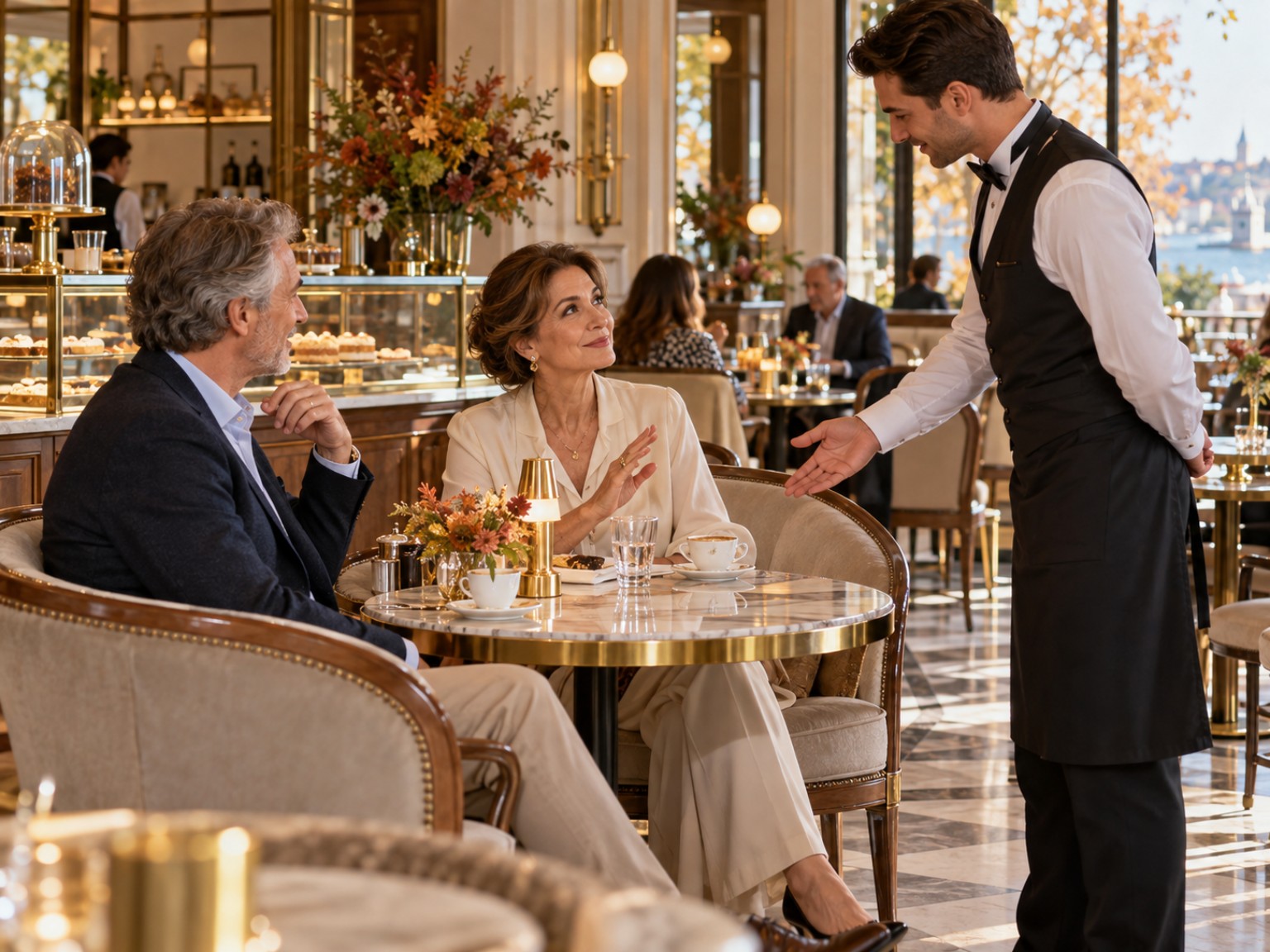
Good service means noticing a guest’s needs while leaving them space to be at ease. Hovering constantly by the table, watching every move or trying to clear cups and glasses every few minutes can leave a guest feeling they are expected to hurry or to leave.
There may still be a last sip left in the cup. Even if a guest has finished their drink, they may wish to carry on talking. When clearing the table, a brief “May I take this?” preserves both courtesy and respect for the guest’s preference.
A clean, tidy table matters; but service should not become an intrusion that constantly interrupts the conversation.
Being within reach when it’s time to order
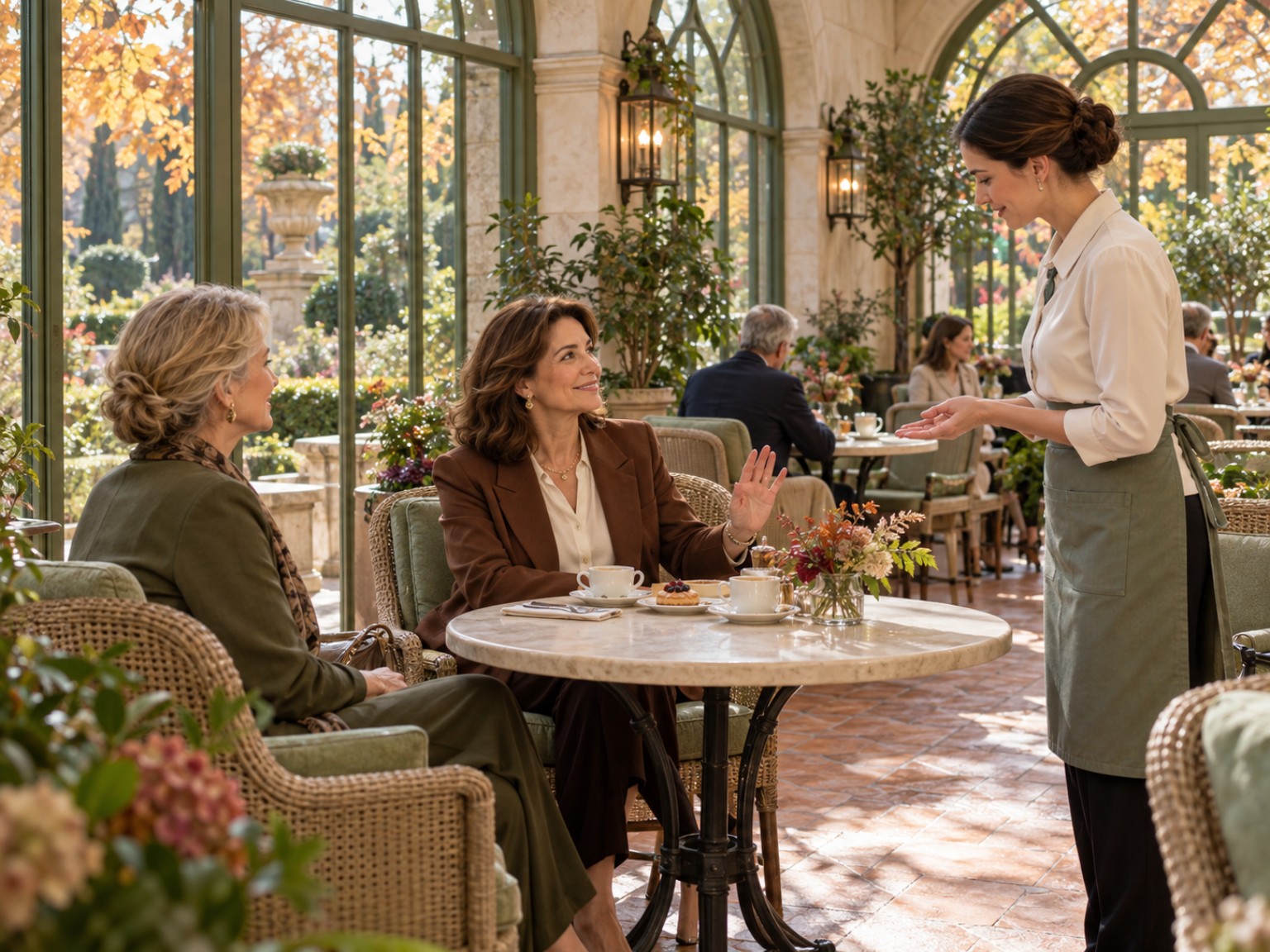
When staff who come by often to clear glasses are nowhere to be found once a guest wants to place a new order or ask for the bill, the balance of service is lost.
A guest having to look around for a long time, raise a hand again and again or call out makes a relaxed café experience difficult. Attentive service means keeping an eye on the room, making eye contact and being within reach when needed.
For the guest, too, a brief moment of eye contact or a lightly raised hand should be enough. Snapping fingers, whistling or shouting to the staff is not a graceful way to ask for service.
Let us voice our discomfort with grace, too
When something bothers us, rather than letting it build up until we turn sharp, we can express it in a short, clear sentence:
“I haven’t finished my coffee yet; could it stay a little longer?”
“We’d like to order whenever you’re ready.”
“Could you turn the music down a little?”
Being polite does not mean hiding our discomfort. It means being able to express our needs while preserving the dignity of the other person.
In a café, grace is felt in the atmosphere that guest and venue create together. In a place where conversation doesn’t weary those nearby, where the music leaves room to talk and where service is within reach when needed, the pleasure of a cup of coffee lasts a little longer.