ZARİF NUTRITION
ELEGANT AUTUMN SNACKS
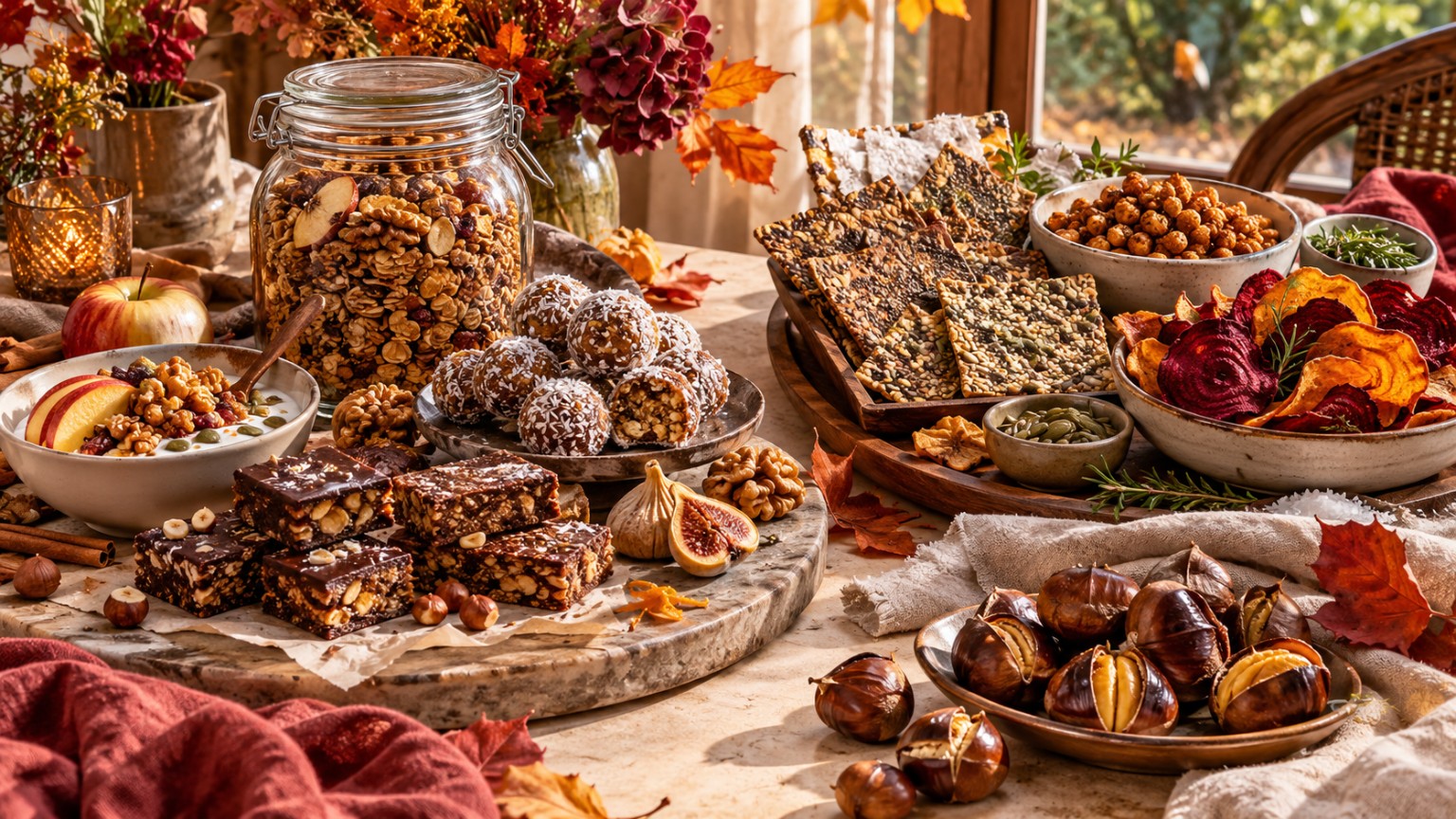
From sweet to savoury: six small homemade delights made with oats, dates, walnuts, seeds and the vegetables of the season.
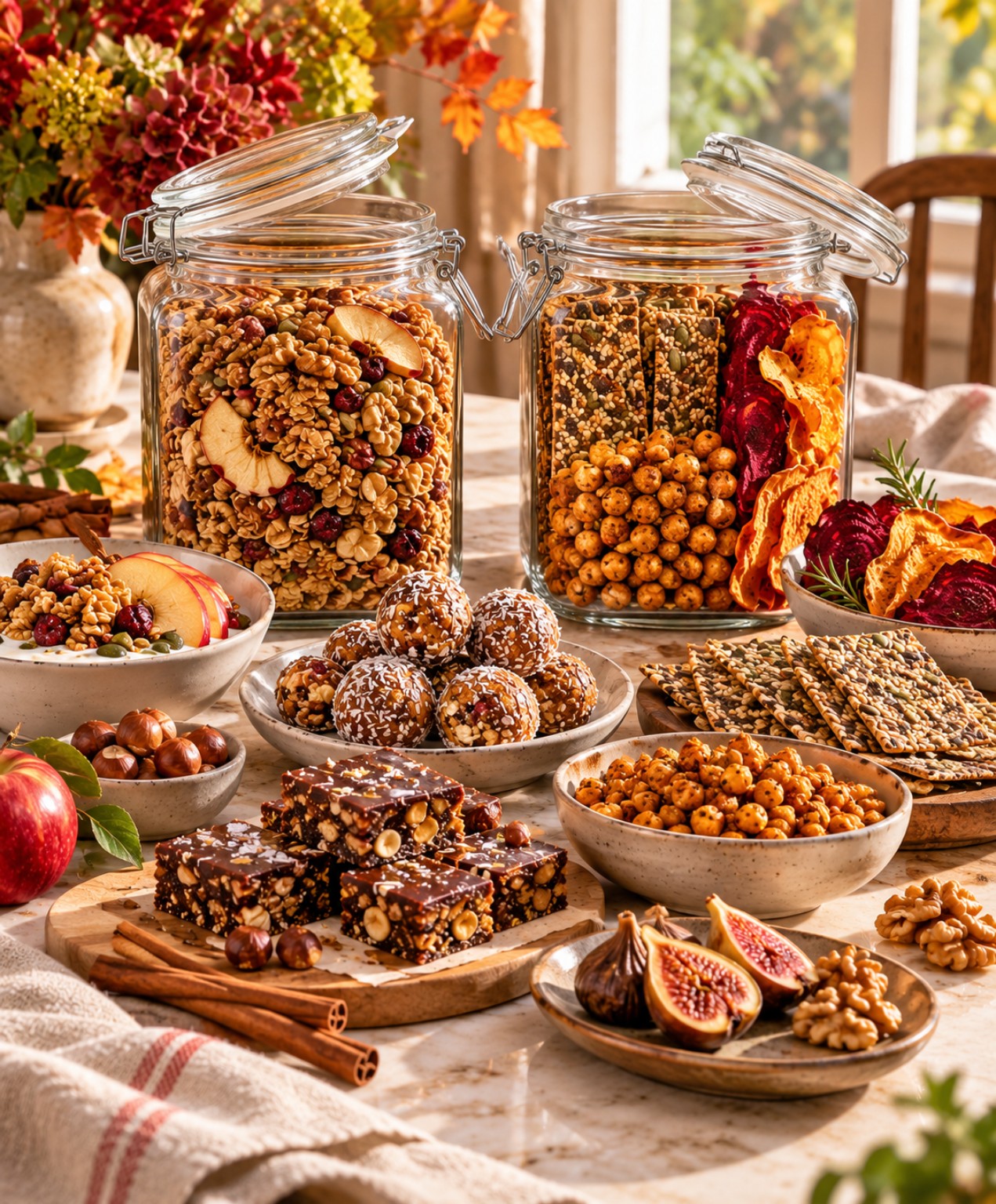
In October the days grow shorter and afternoon tea lingers longer. Before we reach for something in a packet, two jars prepared at the start of the week are all we need: one sweet, one savoury.
Three sweet and three savoury recipes, made with natural ingredients, keeping refined sugar to a minimum wherever possible and, where needed, with gluten-free alternatives.
Every recipe gives portion size, oven temperature and storage time; because a good snack begins with knowing how much of it we are eating.
THE SWEET JAR
Three different forms: a granola to accompany breakfast or yoghurt, a bite that fits in your pocket, and a bar to sit beside your tea. The sweetness comes from fruit, the texture from walnuts and hazelnuts, the depth from cinnamon and cocoa.
1. OLIVE OIL APPLE–CINNAMON GRANOLA
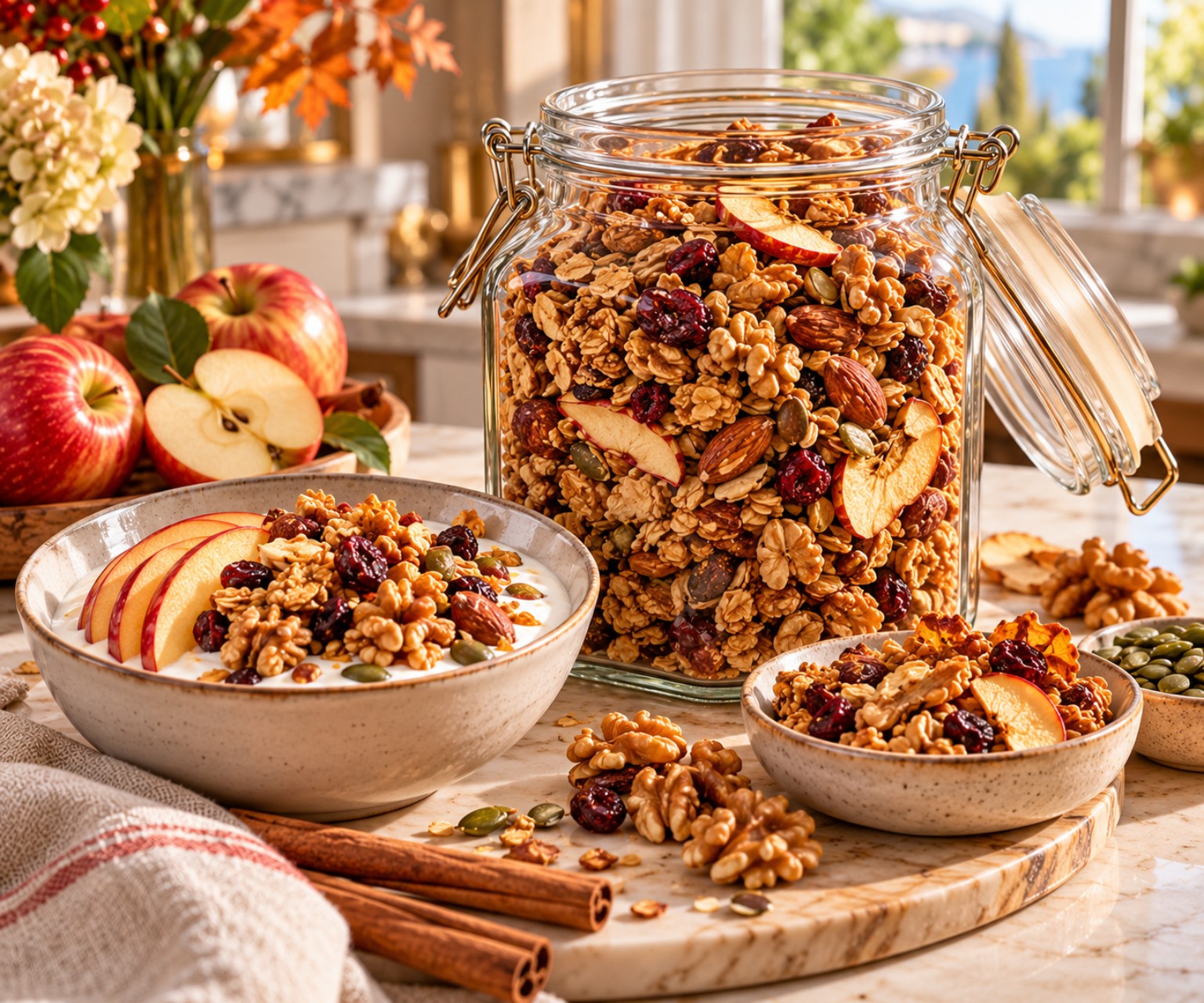
Yield: About 450 g
Portion: 10 portions; 40–45 g, about 4 tablespoons
Preparation: 10 minutes
Baking: 35–40 minutes
Oven: 150°C, conventional (top and bottom heat)
Ingredients
• 200 g jumbo rolled oats (certified gluten-free if needed)
• 60 g walnut halves, roughly chopped
• 30 g shelled pumpkin seeds
• 20 g whole flaxseed
• 20 g desiccated coconut
• 1 teaspoon cinnamon
• A pinch of salt
• 60 ml extra virgin olive oil, a mild and fruity variety
• 60 g unsweetened apple purée
• 50 g date syrup
• After baking: 40 g dried apple, finely diced
Method
1. Preheat the oven to 150°C and line a baking tray with baking paper.
2. In a large bowl, mix the oats, walnuts, pumpkin seeds, flaxseed, coconut, cinnamon and salt.
3. In a separate bowl, whisk the olive oil, apple purée and date syrup. Pour over the dry mixture and stir until every grain has a gentle sheen.
4. Spread the mixture over the tray about 1–1.5 cm thick and press down lightly with the back of a spoon. Pressing helps the granola form clusters.
5. Bake for 20 minutes. Take out the tray and turn the granola over in large pieces. Bake for a further 15–20 minutes, until golden.
6. Leave to cool completely on the tray without touching it. The granola will crisp up as it cools. Then add the dried apple.
Storage:
In an airtight glass jar at room temperature for about 2 weeks.
The elegant touch:
Do not put the dried apple in the oven. Add it only once the granola has cooled completely.
To serve, alternatively:
Without changing the granola's character, you can add a few slices of fresh apple to the serving bowl, and use a few almonds instead of, or alongside, the walnuts. Red dried fruits can also add colour and a gentle tartness in small amounts. If you can find dried cranberries with no added sugar, they are a good choice.
SERVE THE GRANOLA IN A JAR
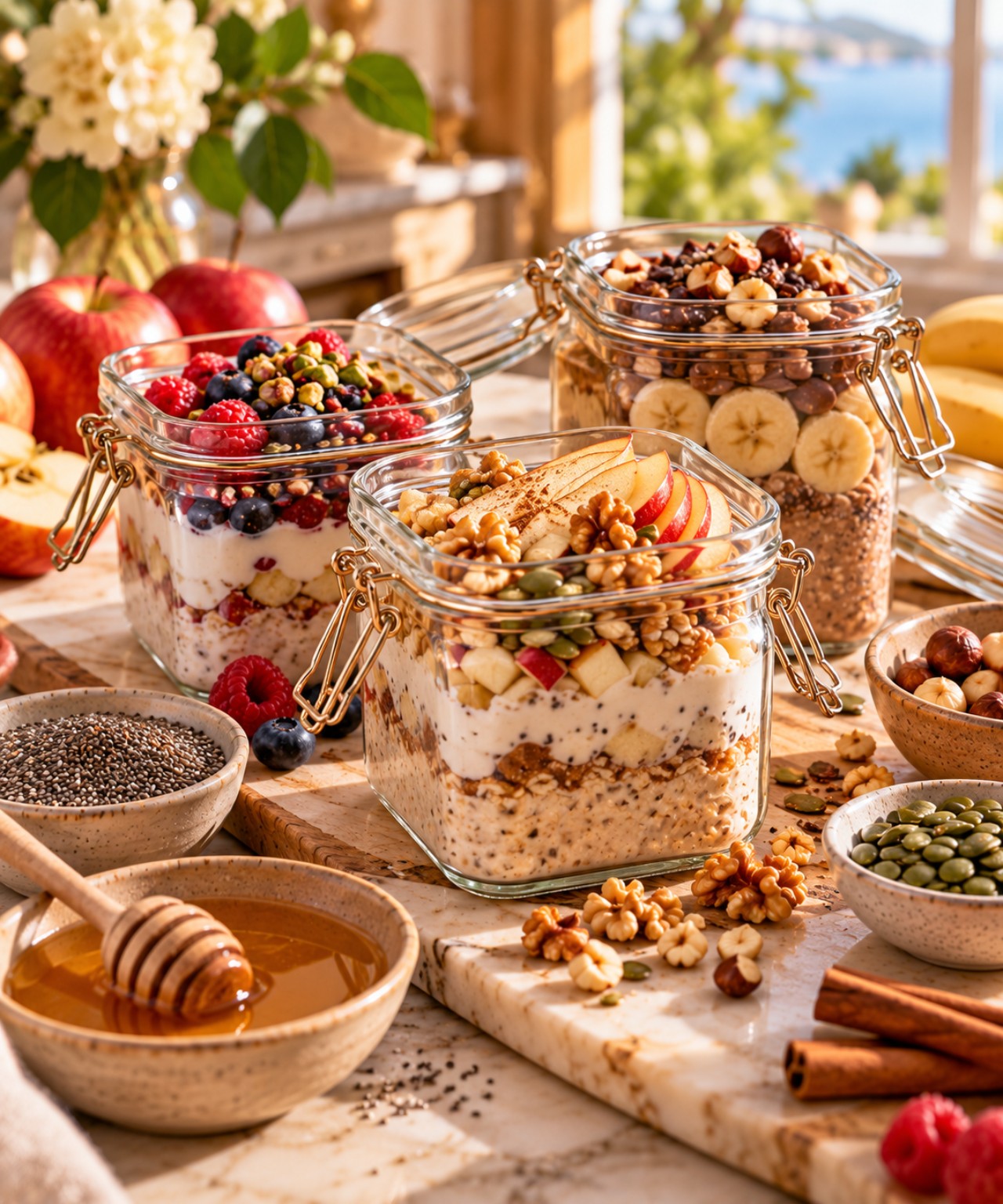
Granola need not be eaten only as a dry snack. For breakfast or a more satisfying snack, layer a simple mixture of oats and chia in the bottom of a small glass jar, then top it with yoghurt and granola.
Use one or two fruits chosen according to the season and what you have to hand, such as apple, banana, raspberries, strawberries or blueberries. A few walnuts, hazelnuts or pumpkin seeds and a pinch of cinnamon on top are all it needs.
For those who like it sweeter, honey is not essential. If you do use it, add no more than 1 dessert spoon, as you wish.
This is not a new recipe; it is simply a practical way of serving the granola differently.
2. FIG AND WALNUT ENERGY BALLS
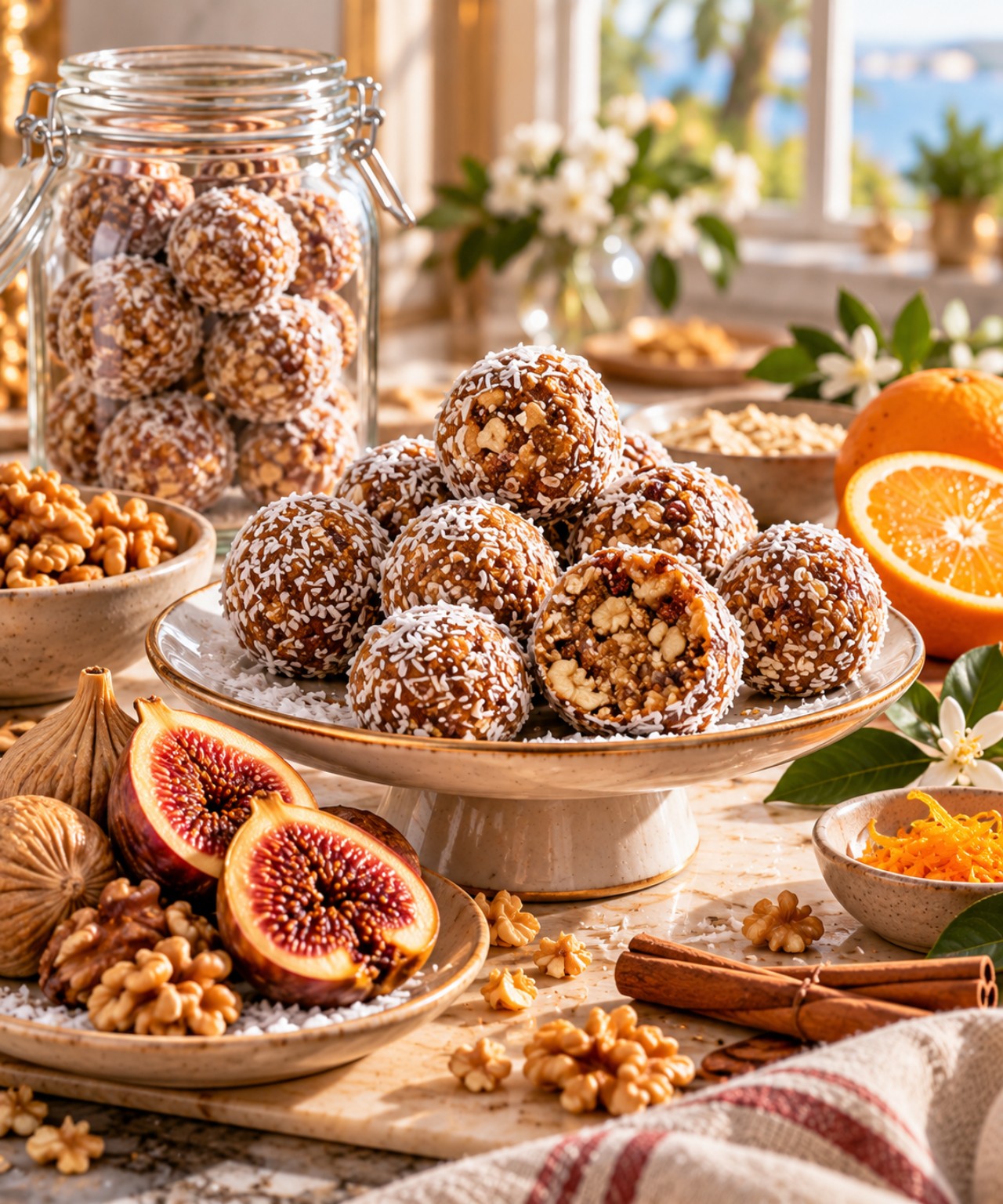
Yield: 15–16 balls, each about 20 g
Portion: 1–2 balls
Preparation: 15 minutes
Resting: 30 minutes in the fridge
No oven needed
Ingredients
• 150 g dried figs, about 8–9; stems trimmed
• 100 g walnut halves
• 40 g rolled oats (certified gluten-free if needed)
• ½ teaspoon cinnamon
• A pinch of salt
• Finely grated zest of 1 orange
• 1–2 tablespoons fresh orange juice, if needed
• 20 g desiccated coconut, for coating
Method
1. If the figs are hard, soak them in warm water for 10 minutes. Drain and pat thoroughly dry with kitchen paper.
2. Pulse the oats and walnuts in a food processor until they resemble coarse sand; do not let them turn completely to flour.
3. Add the figs, cinnamon, salt and orange zest. The mixture is ready when it holds together when pressed. If it crumbles, add the orange juice a little at a time.
4. With damp hands, shape balls of about 20 grams and roll them in the coconut.
5. Rest in a covered container in the fridge for 30 minutes.
Storage:
In an airtight container in the fridge for 1 week; in the freezer for about 2 months.
The elegant touch:
Leave some of the walnuts coarse. A texture in which you can feel small pieces of walnut is far lovelier than a completely smooth paste.
3. NO-BAKE DATE AND COCOA BARS
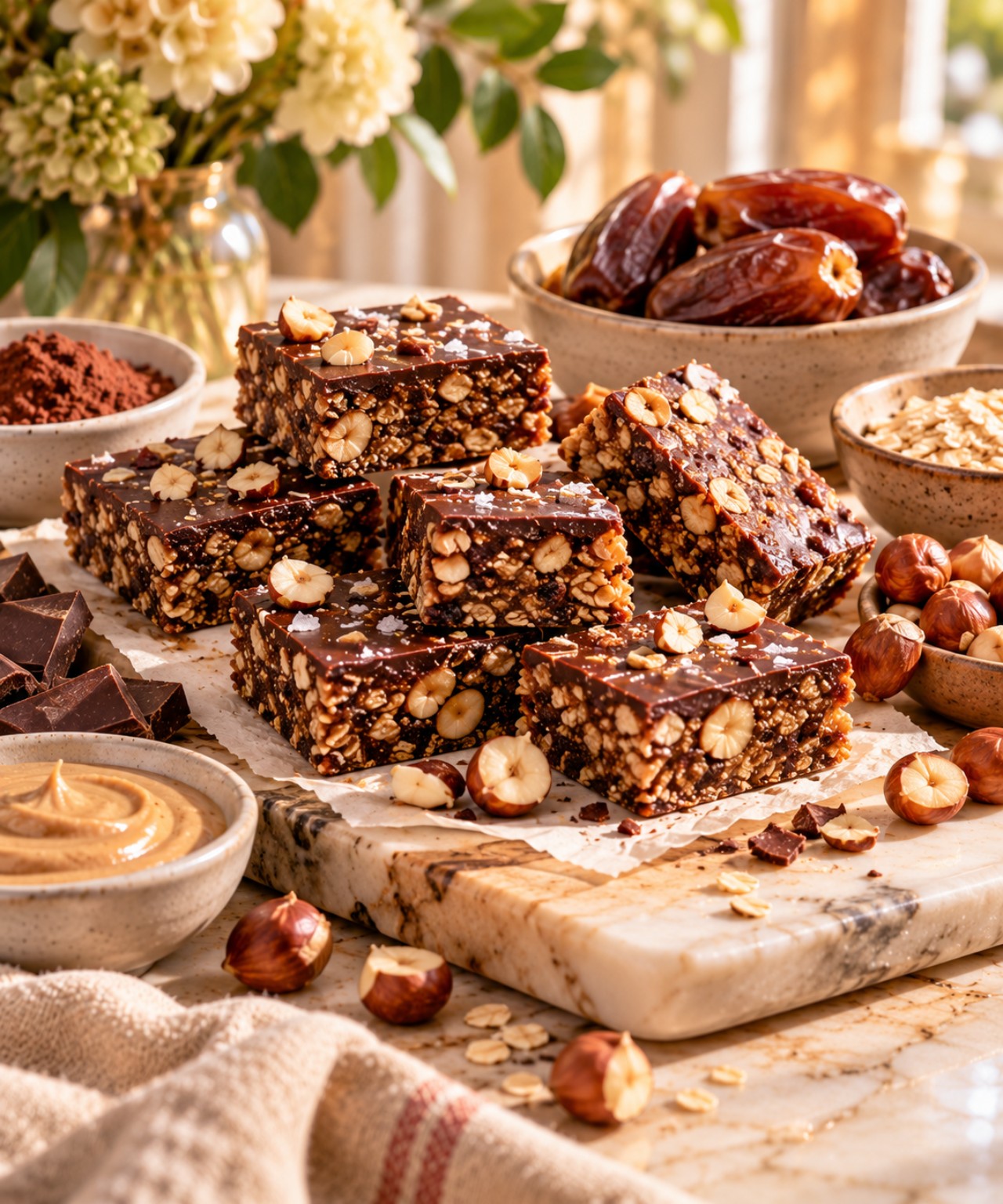
Yield: 20 × 20 cm tin
Makes: 16 squares, each about 30 g
Portion: 1 square
Preparation: 15 minutes
Resting: 1 hour in the fridge
No oven needed
Ingredients
• 250 g soft dates, pitted
• 150 g roasted hazelnuts
• 50 g rolled oats (certified gluten-free if needed)
• 25 g unsweetened cocoa powder
• 30 g tahini
• 1 teaspoon vanilla extract
• A pinch of sea salt
• Optional topping: 60 g dark chocolate with at least 70% cocoa and a few flakes of salt
Method
1. Line the tin with baking paper, letting it overhang the sides.
2. If the dates are dry, soak them in hot water for 10 minutes; then drain and dry them thoroughly.
3. Blitz the hazelnuts and oats in a food processor to a coarse sand. Add the cocoa and salt and blitz for a few seconds more.
4. Add the dates, tahini and vanilla. Process until the mixture comes together into a dough inside the processor.
5. Transfer the dough to the tin and press it down firmly and evenly with the back of a damp spoon or a flat-bottomed glass.
6. If you are using the chocolate topping, melt the dark chocolate in a bain-marie and spread it in a thin layer. Scatter a few flakes of salt over the top.
7. Rest in the fridge for 1 hour. Lift out of the tin by the paper and cut into 16 squares.
Storage:
In an airtight container in the fridge for about 10 days; in the freezer for 2 months.
The elegant touch:
Dark chocolate may contain added sugar, even in small amounts. For a simpler result, skip the chocolate layer and serve the bars with a few flakes of salt.
THE SAVOURY JAR
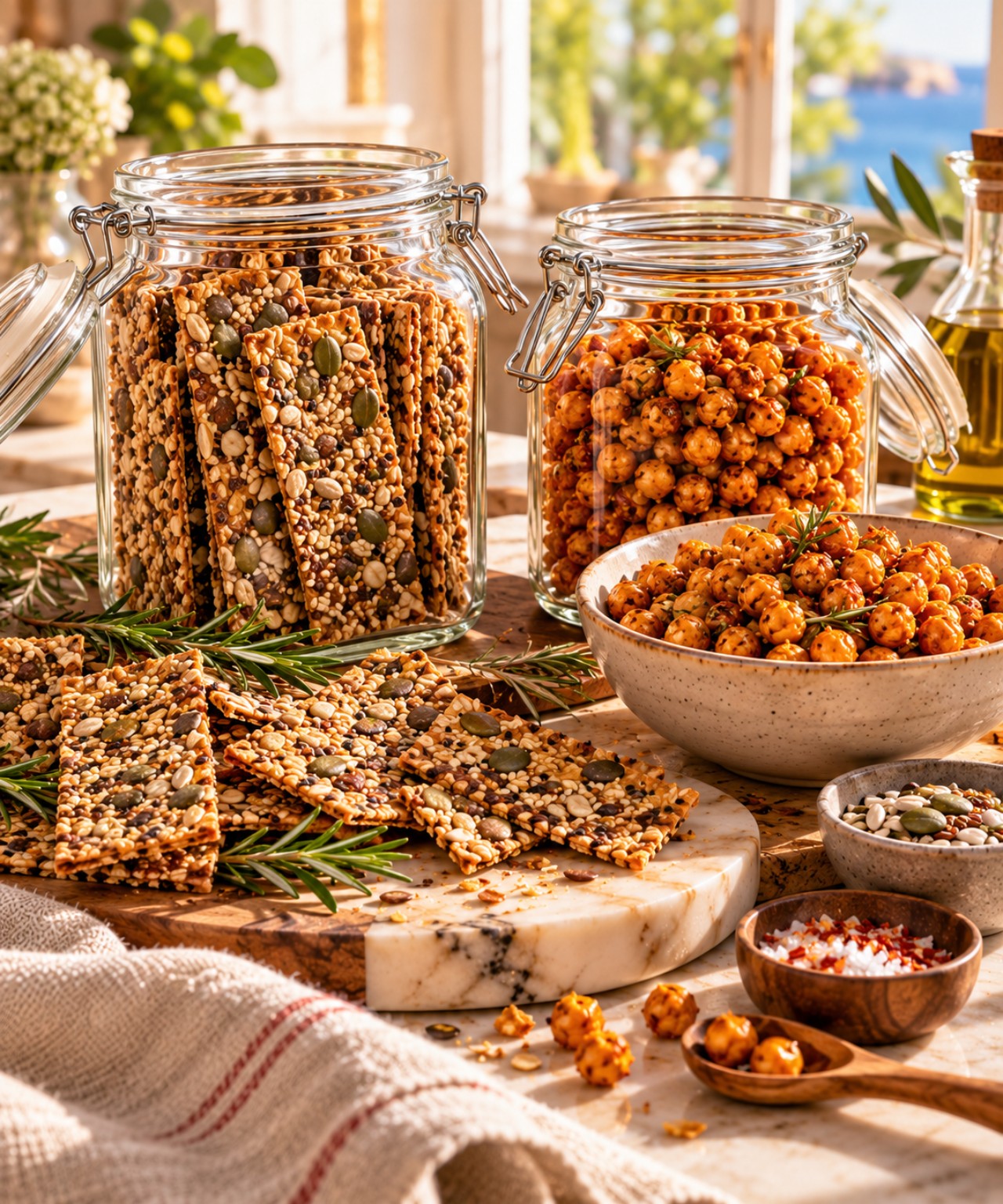
Three distinct characters: a crisp cracker to enjoy with cheese or on its own, a handful of spiced chickpeas, and vegetable crisps that carry the colours of autumn.
Choosing spices individually wherever possible makes it easier to control the flavour, and helps those who must eat gluten-free to check for possible sources of gluten in ready-made blends.
4. SEEDED CRACKERS
Yield: 1 large tray, about 30 pieces
Portion: 3–4 pieces
Preparation: 10 minutes + 15 minutes standing
Baking: 55–65 minutes
Oven: 160°C, conventional (top and bottom heat)
Ingredients
• 70 g shelled sunflower seeds
• 60 g shelled pumpkin seeds
• 50 g whole flaxseed
• 40 g sesame seeds
• 30 g chia seeds
• 250 ml water
• 1 tablespoon extra virgin olive oil
• 1 teaspoon salt
• 1 teaspoon dried thyme or nigella seeds
Method
1. Mix all the ingredients in a bowl and leave to stand for 15 minutes. The chia and flax will absorb the water and form a natural gel that binds the mixture together.
2. Preheat the oven to 160°C. Pour the mixture onto a tray lined with baking paper and spread it about 3 mm thick with a damp spatula. Take care that the edges are as thin as possible, too.
3. Bake for 30 minutes. Take out the tray and score the cracker lines with a knife. Carefully flip the sheet over and peel off the baking paper.
4. Bake for a further 25–35 minutes, until the edges turn golden and the centre is completely dry.
5. Turn off the oven, leave the door slightly ajar and let the crackers cool inside. Then break them along the lines.
Storage:
In an airtight jar at room temperature for about 2 weeks. If they soften, you can re-crisp them in a 150°C oven for about 5 minutes.
The elegant touch:
Spreading thinly is everything; thicker patches will not crisp properly. With curd cheese, white cheese or a spoonful of labneh, they are perfect for October evenings.
5. SPICED OVEN-ROASTED CHICKPEAS
Yield: About 4 portions
Portion: About 40 g, a handful
Preparation: 10 minutes + 15 minutes drying
Baking: 30–35 minutes
Oven: 200°C, conventional (top and bottom heat)
Ingredients
• 400 g cooked chickpeas, about 2 cups
• 1.5 tablespoons extra virgin olive oil
• ½ teaspoon salt
• 1 teaspoon cumin
• 1 teaspoon sweet paprika or isot pepper
• ½ teaspoon garlic powder
• 1 teaspoon sumac, after baking
Method
1. Dry the chickpeas thoroughly with a clean cloth or kitchen paper. Discard any loose skins. Spread them on the tray and leave uncovered for about 15 minutes.
2. Preheat the oven to 200°C. Toss the chickpeas with the olive oil and salt and spread them on the tray in a single layer.
3. Bake for 20 minutes. Shake the tray at least once during baking.
4. Add the cumin, paprika and garlic powder and toss. Bake for a further 10–15 minutes, until the outsides are distinctly crisp. Adding the spices in the final stage reduces the risk of burning.
5. Sprinkle with sumac as soon as they come out of the oven. The chickpeas will crisp a little more as they cool.
Storage:
Their texture is at its best on the same day. They will keep for 2–3 days at room temperature in a loosely covered container. If they soften, they can be warmed in a 180°C oven for about 5 minutes.
The elegant touch:
Alongside the classic cumin blend, for a different jar you can make a sweet-and-hot version with cinnamon and just a pinch of chilli flakes. The chilli flakes belong not to the main recipe, but to this alternative variety.
6. OVEN-BAKED AUTUMN CRISPS
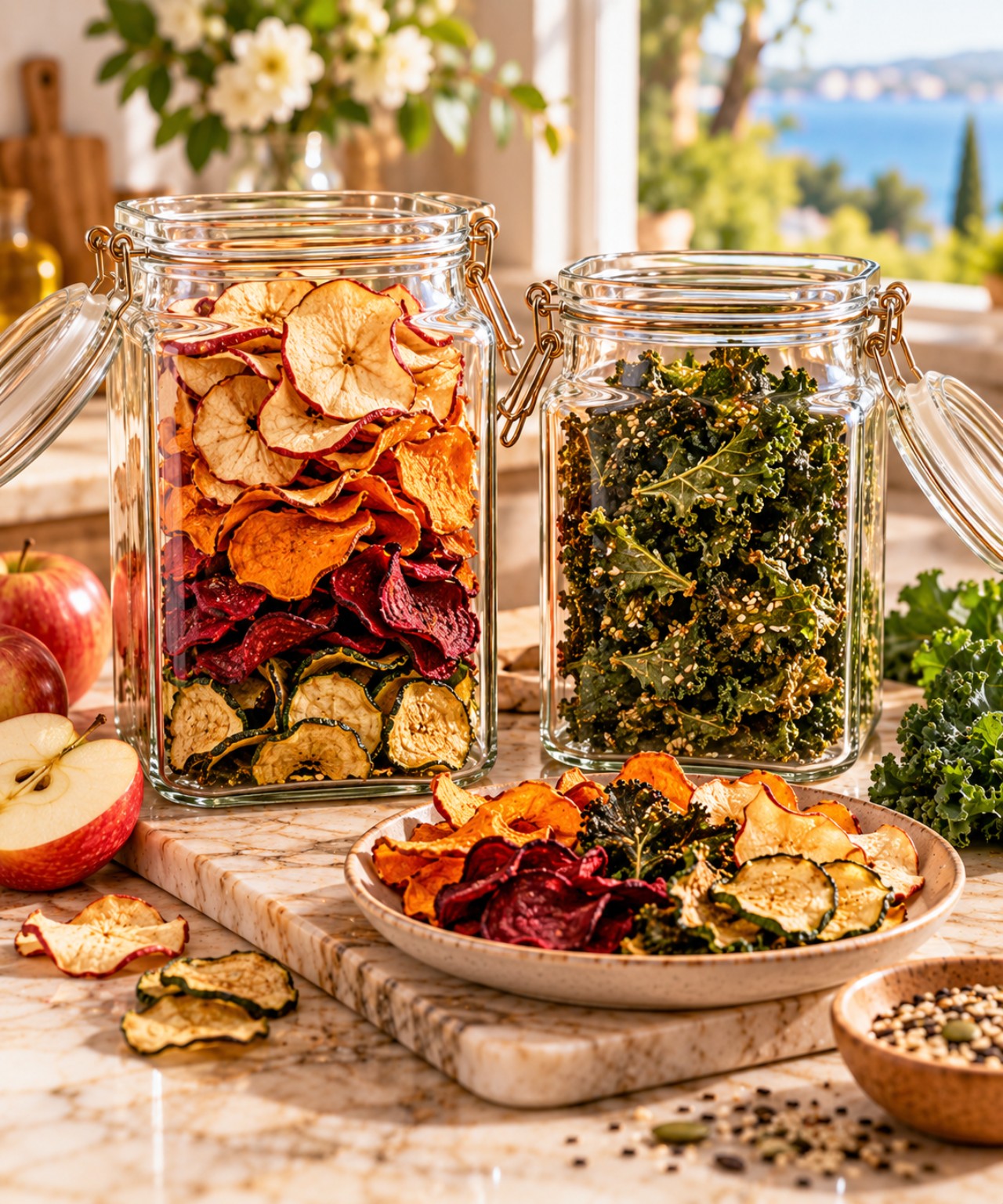
Beetroot & Sweet Potato
With Apple · Courgette · Black Cabbage Alternatives
Yield: 2–3 portions
Preparation: 15 minutes
Baking: About 10–40 minutes, depending on the vegetable
Oven: 150°C, conventional (top and bottom heat)
For the main recipe:
• 1 medium beetroot, about 200 g; peeled
• 1 medium sweet potato, about 250 g; well washed
• 1.5 tablespoons extra virgin olive oil
• ½ teaspoon sea salt
• 1 sprig fresh rosemary, leaves finely chopped
Optional alternatives:
• Apple
• Courgette
• Black cabbage
Method
1. Preheat the oven to 150°C and line the trays with baking paper.
2. Using a mandoline, slice the beetroot and sweet potato about 1–2 mm thin. Keep the beetroot in a separate bowl; otherwise its colour may bleed onto the other slices.
3. Press the slices lightly between sheets of kitchen paper to remove excess moisture from their surfaces.
4. Toss the beetroot and sweet potato separately with very little olive oil, just enough to form a thin film on their surfaces. Arrange them on the trays in a single layer, without overlapping.
5. After about 15 minutes of baking, check them and turn the slices. Bake for a further 10–25 minutes. Take out the thin pieces whose edges have curled and whose centres have dried one by one, without waiting for the others.
6. Once out of the oven, sprinkle with sea salt and rosemary. Leave to cool completely on a wire rack.
DIFFERENT COLOURS IN THE SAME JAR
Alongside beetroot and sweet potato, apple, courgette or black cabbage can also be added to the autumn crisps jar. But because each has a different water content and baking time, they should not be baked on the same tray for the same length of time.
APPLE CRISPS
Remove the apple's core and slice it very thinly. Adding oil is not essential.
Arrange the slices in a single layer on a separate tray lined with baking paper. Bake at 150°C for about 25–40 minutes, keeping an eye on them according to the thickness of the slices. You can turn the slices halfway through the baking time.
The apples may look slightly soft when they come out of the oven; they become drier and crisper as they cool.
If you like, you can sprinkle over a very little cinnamon before they go into the oven.
COURGETTE CRISPS
Slice the courgette as thinly as possible with a mandoline. Press the slices lightly between sheets of kitchen paper to draw out as much excess moisture as you can.
Toss with very little olive oil and arrange in a single layer on a separate tray, with the slices not touching each other.
Bake at 150°C for about 15–25 minutes. Because courgette can dry faster than beetroot and sweet potato, start checking from the 12th–15th minute.
Take out the thin slices that are ready without waiting for the others. Add salt after baking.
BLACK CABBAGE CRISPS
Remove the thick central stems from the black cabbage and tear the leaves into large pieces.
If you have washed the leaves, make sure they are completely dry. Any water left on them will stop them from crisping.
Gently massage the leaves with very little olive oil. It is enough for the oil to form only a thin layer over the leaves.
Always spread the black cabbage in a single layer on a separate tray.
Bake at 150°C for about 10–15 minutes. Because it can dry very quickly, check it from the 8th–10th minute. Take it out of the oven when the edges are dry and crisp; do not wait for it to brown.
Add the salt once it is out of the oven.
IMPORTANT
Beetroot, sweet potato, apple, courgette and black cabbage can meet in the same jar; but they should not bake on the same tray for the same length of time.
Black cabbage and courgette in particular cook much faster than beetroot and sweet potato. For this reason they should be prepared on separate trays and checked earlier.
The thickness of each piece also changes the baking time. Taking the thin, ready crisps out of the oven one by one, without waiting for the others, gives the best result.
Storage:
The crisps are at their best on the same day.
Once they have cooled completely, transfer them to an airtight jar. Putting them in the jar while hot or warm creates moisture inside and causes them to lose their crispness.
Beetroot, sweet potato and courgette crisps, stored properly, should be eaten within 1–2 days. Eat the black cabbage crisps on the same day if possible.
Vegetable crisps that have softened can be re-crisped in a 150°C oven for a few minutes.
The elegant touch:
Using deep burgundy beetroot, orange sweet potato, pale apple, green courgette and dark green black cabbage in a single jar changes not only the flavour but also the colour of the autumn table.
But the secret to bringing the colours together in one jar is not to bake them at the same time; it is to prepare each in its own time and combine them only once they have cooled completely.
OCTOBER'S SIMPLEST SNACK
OVEN-ROASTED CHESTNUTS
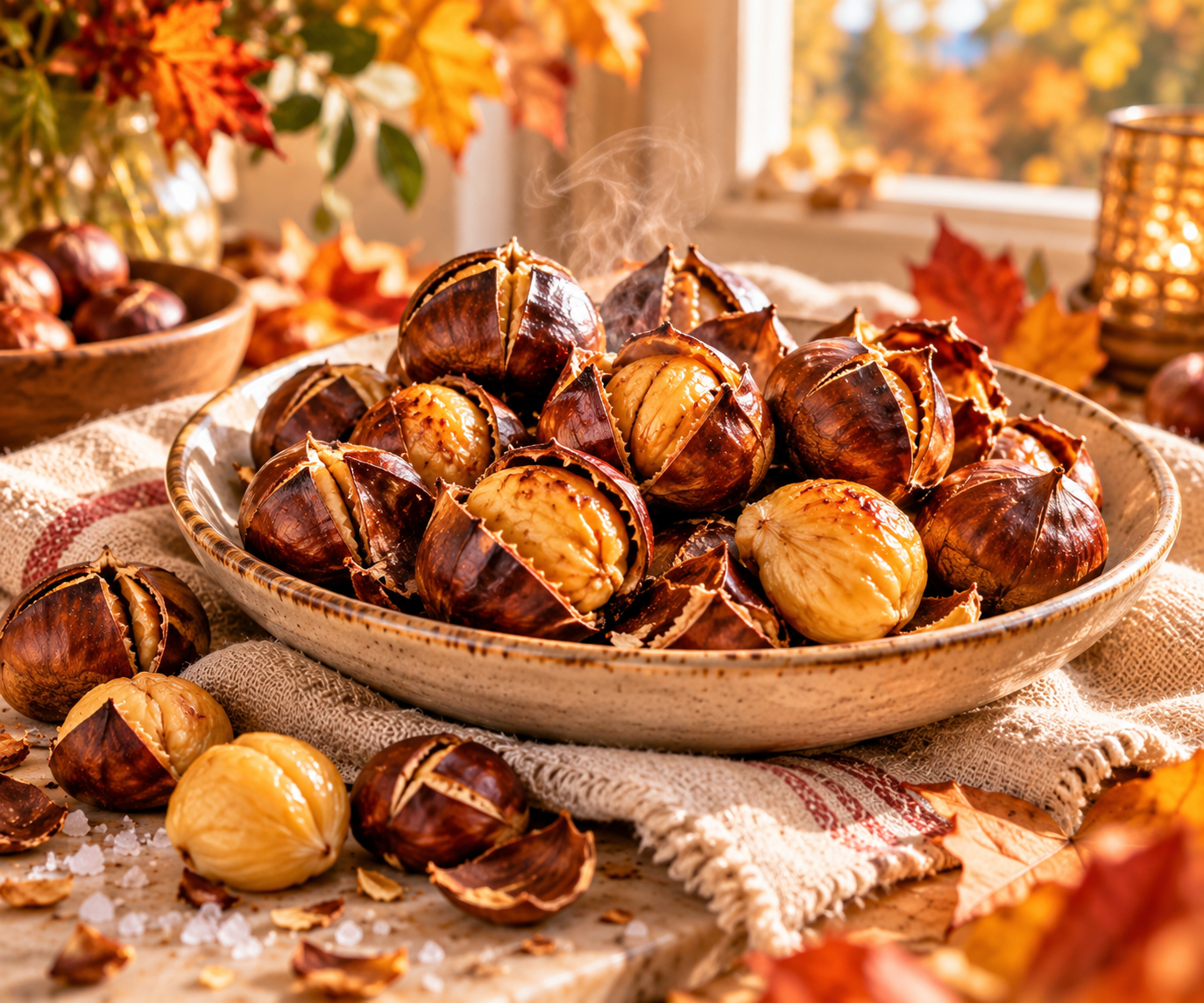
Sometimes the best snack needs no long list of ingredients.
With a sharp knife, score a cross on the flat side of each chestnut. Roast in a 200°C oven for about 20–25 minutes, until the shells open.
When they come out of the oven, cover them with a clean tea towel and leave for about 5 minutes. The steam that builds up helps the shells come away more easily.
Peel them while warm and serve plain or with a very little sea salt.
So simple there is barely a recipe at all; as simple as October itself.
WORTH KNOWING
GLUTEN-FREE IS NOT ESSENTIAL FOR EVERYONE
This is not a "gluten-free eating" feature.
Those who can eat gluten without any problem may use ordinary oats in these recipes. People with coeliac disease, or who must eat gluten-free for medical reasons, should choose certified gluten-free oats.
Oats are naturally gluten-free; but cross-contamination with wheat, barley or rye can occur during production, transport and processing. For this reason, those who must eat gluten-free should check the labels not only of oats but also of cocoa, chocolate, spices and other packaged products.
FREE FROM REFINED SUGAR DOES NOT MEAN SUGAR-FREE
These recipes use no white table sugar; but dates, figs, dried apple and other fruits contain natural sugars.
Syrups such as date syrup, though "natural", are also a source of free sugars.
So the sweet jar is not a jar of food to be eaten without limit. But with the right portion, it can be a homemade alternative whose contents we know.
EAT YOUR PORTION FROM A BOWL, NOT FROM THE JAR
Granola: 40–45 g
Energy balls: 1–2
Date and cocoa bar: 1 square
Seeded crackers: 3–4 pieces
Spiced chickpeas: about a handful
Walnuts, hazelnuts, tahini and seeds are nourishing foods; but they are also high in energy density.
Rather than bringing the jar to the table and carrying on eating without noticing, putting the amount you mean to eat on a small plate or in a bowl is a simple but effective habit.
ALLERGEN NOTE
Some of the recipes in this feature contain walnuts, hazelnuts and sesame. Tahini, too, is made from sesame.
When offering these snacks to guests or children, always mention what they contain. For snacks going to school, check the school's rules on tree nuts and allergens.